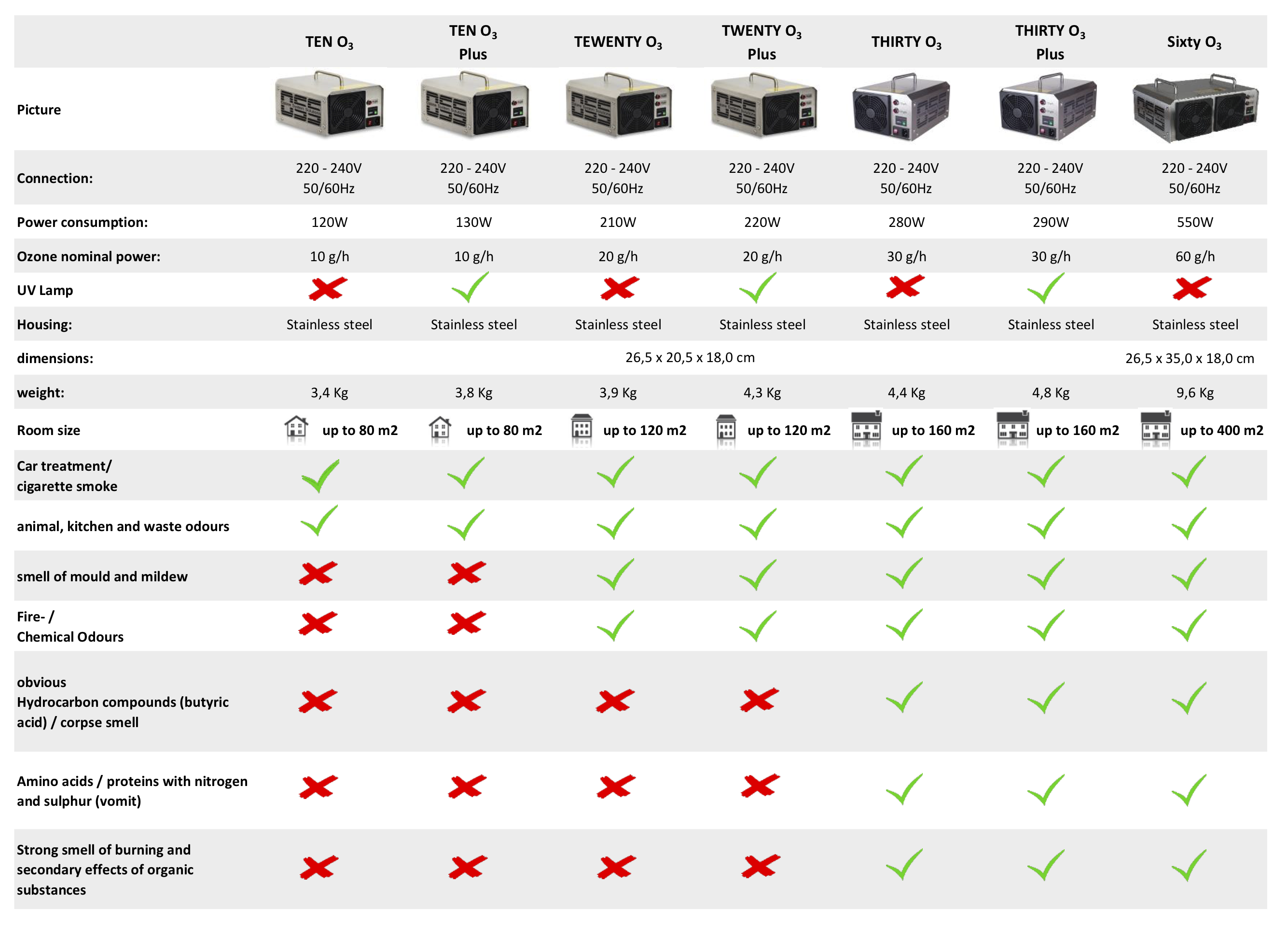
Simple, efficient, safe. To meet our high quality standards, we produce our devices in Germany - Made in Germany.
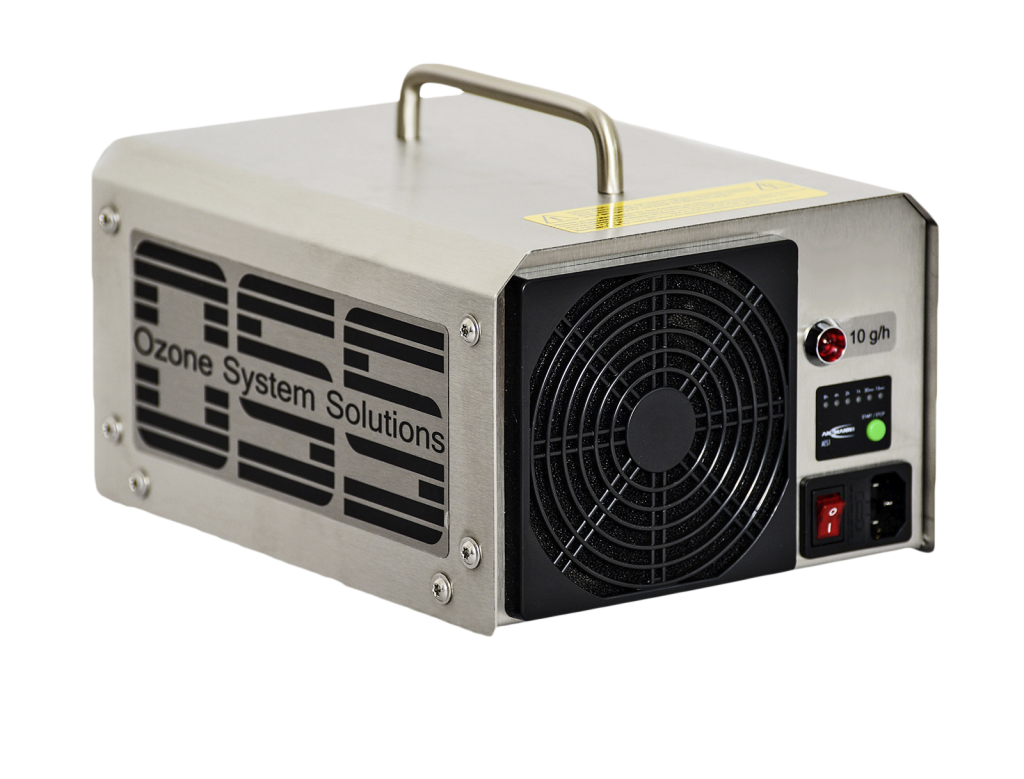
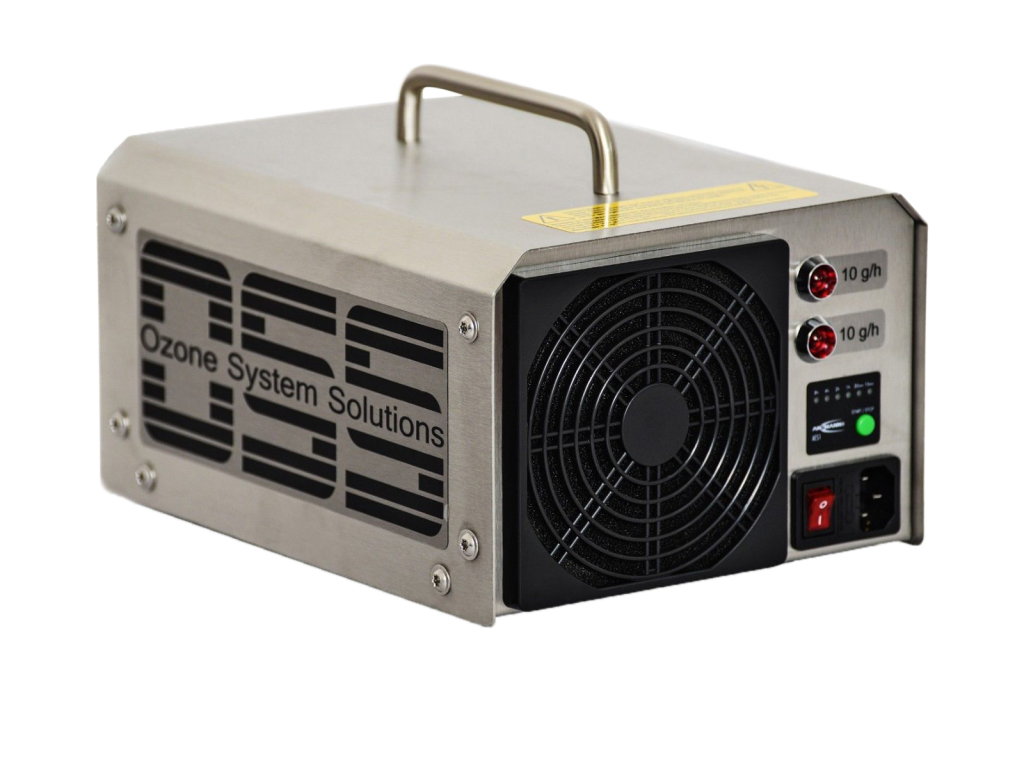
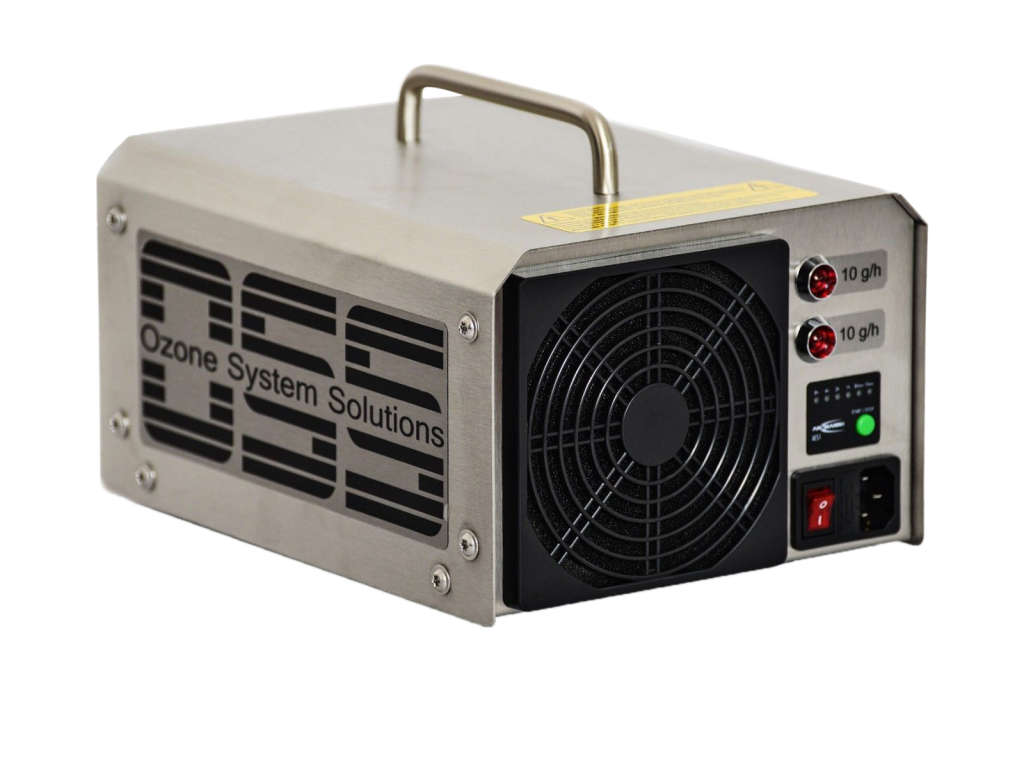
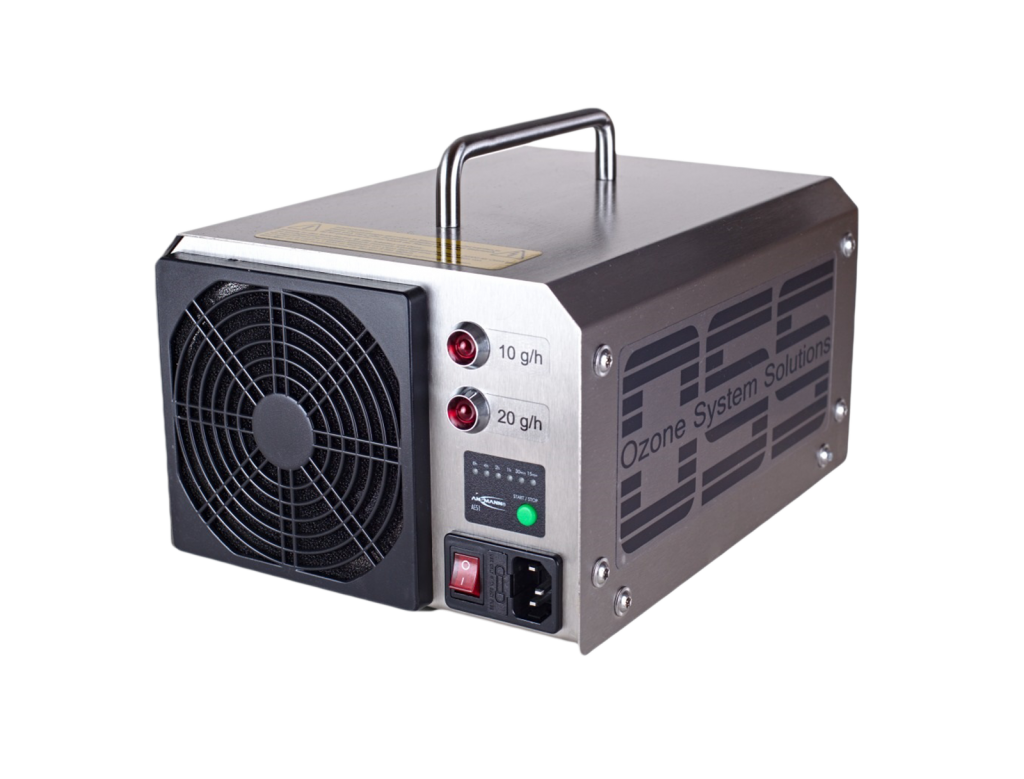
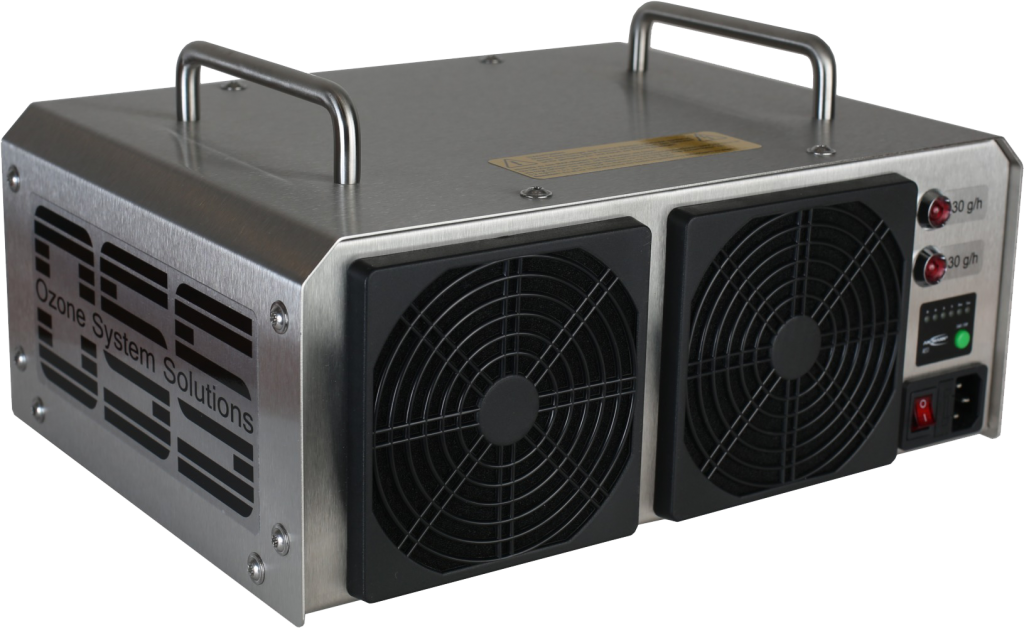
Ozone is often referred to as "activated oxygen." Chemically speaking, it is a molecule consisting of three oxygen atoms—unlike the oxygen in the air we breathe, which is made up of two atoms.
Due to this structure, ozone is an extremely powerful Oxidizing agents. This chemical property makes ozone highly reactive, causing it to form compounds with other substances in the air. In technical applications, we utilize this effect to effectively break down and permanently neutralize organic odor molecules—such as the smell of smoke or mustiness—rather than simply masking them.
Ozone occurs frequently in nature; for example, it is produced during thunderstorms by the electrical discharge of lightning. The characteristic, fresh "scent of cleanliness" we perceive after a summer thunderstorm is the result of this natural ozone formation. Ozone is also known as Earth's protective shield: in the stratosphere, it forms the ozone layer, which absorbs ultraviolet radiation from the sun.
Yes,Ozone is an invisible gas with a very distinctive odor. The human nose is extremely sensitive to it: many people detect ozone at concentrations as low as approximately 0.01 ppm (parts per million).
This value is significantly below the usual guideline values for workplace exposure limits (often around 0.06–0.1 ppm). This means that ozone usually provides an early warning through its odor, long before concentrations that pose a health risk are reached. Since the odor is perceived as unpleasant at higher concentrations, it also serves as a warning signal. natural warning system, which prompts one to avoid the area or ventilate it.
Ozone is a powerful oxidizing agent with a short lifespan. When ozone encounters odor molecules or organic compounds, the third oxygen atom reacts with them and breaks them down. Through this oxidation process, the source of the odor is chemically transformed and thereby neutralized; in the process, the ozone itself is consumed and decomposes into pure oxygen.
Should ozone accidentally leak into an adjacent area during a treatment, it would be immediately noticeable due to its intense odor. Much like in a smoke-filled room, one would instinctively leave the area long before any danger arose.
Technically, there are two main methods: UV radiation and silent electrical discharge. Our professional generators utilize the silent electrical discharge method via ceramic plates. This principle essentially simulates a lightning strike on a miniature scale and is significantly more efficient than outdated UV tube systems. The ozone is generated directly from the ambient air.
The areas of application are diverse and focus on cleaning, hygiene, and odor management in air and water. Typical examples include:
Indoor Air Remediation: Neutralization of fire, musty, or animal odors, as well as cigarette smoke.
Vehicle detailing: Professional odor removal for cars, buses, or motorhomes.
Industrial exhaust air: Odor reduction in waste management, the foodservice industry (grease traps), or food production.
Water treatment: In swimming pools, aquaculture, or drinking water supply (oxidation of pollutants).
Process hygiene: Use in the beverage industry for cleaning bottles or systems (CIP).
Bleaching processes: In the paper and textile industries.
Ozone is an unstable compound. As soon as it is produced by the generator, a portion of it begins to decompose back into oxygen. This process is accelerated by heat, humidity, and reactive surfaces (carpets, walls).
In practice, the half-life of ozone indoors is usually well under 30 minutes. This means that the concentration is reduced by at least half every half hour. Due to organic airborne particles, this process often occurs even more rapidly. Nevertheless, a mandatory safety waiting period must be observed after treatment to ensure that the ozone has completely broken down.
Yes, ozone does not merely mask odors but permanently destroys the odor molecules through oxidation.
Important note: If the odor returns, either the source of the odor was not removed beforehand, or the treatment duration was too short for the intensity of the odor.
Yes, the use of ozone in storage facilities can optimize environmental conditions. By oxidizing ripening gases (such as ethylene) and reducing organic airborne contaminants, it creates an environment that can slow down the spoilage process. For this reason, ozone technology is frequently employed in cold storage facilities and for the storage of fruit and vegetables.
The core components of our generators are the ceramic plates that produce the ozone. These are wear parts. The service life of these plates is approximately 1,500 operating hours. After this period, performance declines, and they should be replaced to ensure full efficiency. Replacement plates are available from us.
This depends heavily on the size of the room, the temperature, and the intensity of the odor. Since odors penetrate materials (such as upholstery or plaster) to varying depths, there is no standard timeframe.
Our recommendation: Start with shorter intervals and gradually work your way up. Overdosing—based on the idea that "more is better"—is counterproductive and can place unnecessary strain on materials (such as rubber).
Safety is the top priority. As ozone is an irritant, the room must not be entered during the treatment or the subsequent decomposition phase. We recommend leaving the treated room undisturbed for at least 12 hours after switching off the device to allow the ozone to decompose. Afterward, the room should be thoroughly ventilated (using cross-ventilation) for another 2 hours before being made available for use again.
For effective vehicle detailing:
Park the vehicle outdoors.
Position the ozone generator in the front passenger footwell or on the folded-down rear seat.
Switch the vehicle's ventilation to "recirculation" (level 1) so that the ozone also circulates through the air ducts and the air conditioning evaporator.
Route the power cable through a gap in the window and seal it (e.g., with adhesive tape or a cloth).
After the treatment period: Allow the vehicle to rest (decomposition phase) and then ventilate it thoroughly with the doors open for at least 2 hours. (Please be sure to consult the detailed operating instructions for your device.)
.
 English
  German